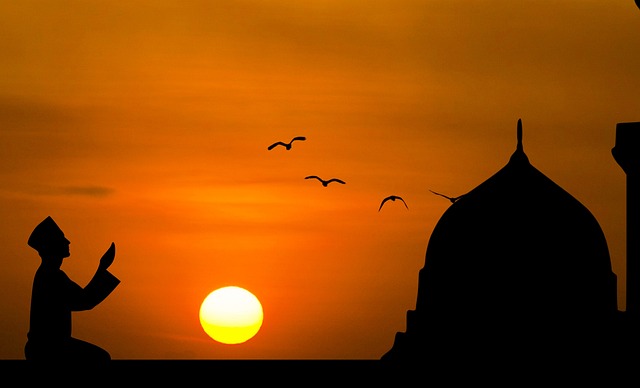

The Islamic Emirate of Afghanistan is a country of about 40-million people located at crossroads of South & Central Asia, in an area called Heart of Asia. There's a good information source about the Islamic Emirate nation state on Wikipedia.
The Wiki link above is a very interesting in-depth read covering the incredible history of the Islamic Emirate going back thru its long and turbulent history. All we can do is hope and pray the new "Islamic Emirate Government" peacefully succeeds and does good in the future to benefit all the good people of Afghanistan.

The Afghanistan economy today
is made worse by serious commodities and food shortages. The United States had frozen $7-billion Afghan Central Bank assets, which funds of course can help the nation.

We understand the islamic state plans to work vigorously to get its funds released. A key to that issue is to assure the World its frozen funds will only be used to help Afghanistan people and nothing else.

The domain name "islamicemirate.com" is a 2019 name which is important because its registration date was 2-years before the formation of the newly named Afghan nation in August 2021.
Please note; the official country name is a lengthy "Islamic Emirate of Afghanistan" however people (both domestic & foreign) prefer using the short unofficial name of Islamic Emirate. A perfect analogy is people typically saying 'United States" instead of the official long country name United States of America.
IslamicEmirate.com is a great website name for a developer. 'Islamic Emirate' is popular in search engines with over 3,000,000 Google results, last time we did a search for "islamic emirate" P.S. Here's a link to the Official Government (.af) website.
Last time we checked; a significant value factor and high percentage of more than ⅔ of its webpage visitors are via people typing-in "Islamic Emirate" followed by its dot-com domain ending in a web-browser! That's a powerful benefit and precursor of high value via the URL getting regular and free visits, with no paid advertising or marketing!
Server stats reveal people are visiting IslamicEmirate.com (mostly via type-ins) from many nations: Albania, Australia, Bangladesh, Belgium, Bosnia, Brazil, Brunei, Canada, China, Denmark, Finland, France, Germany, Ghana, Greece, India, Indonesia, Ireland, Israel, Italy, Japan, Latvia, Macedonia, Malaysia, Mali, Mauritania, Netherlands, Nigeria, Oman, Pakistan, Palestine, Philippines, Poland, Portugal, Russia, Saudi Arabia, Serbia, Seychelles, Singapore, Somalia, South Africa, South Korea, Spain, Sweden, Taiwan, Thailand, Turkey, UAE, Uganda, Ukraine, United Kingdom, United States.

People from above countries are searching for these words: Islamic Emirate, Islamic Emirates, Islamic Emirate News, Afghan Relief Fund, Afghanistan Aid, Arab Emirate, Charitable Giving Afghanistan, Islam Religion, Islamicemirate, Islamic Charity, Arabic, Best Islamic Charities, Best Muslim Marriage Sites, Giving Zakat, Islamic Charity Organizations, Meal Services, Muslim Charitys, Muslims, Ramadan Donation and more.
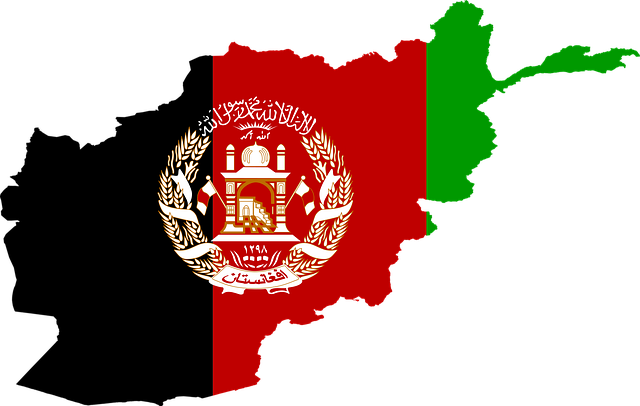
Country dot-com domain names are both rare and costly, with values as much as $1,000,000 or more (with valuation depending on the country). This is a unique opportunity to click-here to buy-now or lease-to-own a short and commonly used (unofficial) name of a nation "IslamicEmirate.com" for under 1-Million-USD!
There's a Limited-Time Special Buy Price of only $57,786 USD. P.S. The media reports several important nations of the world are working on recognizing and restoring full diplomatic relations with the Islamic Emirate of Afghanistan. Global recognition is expected to increase the value of "IslamicEmirate.com'
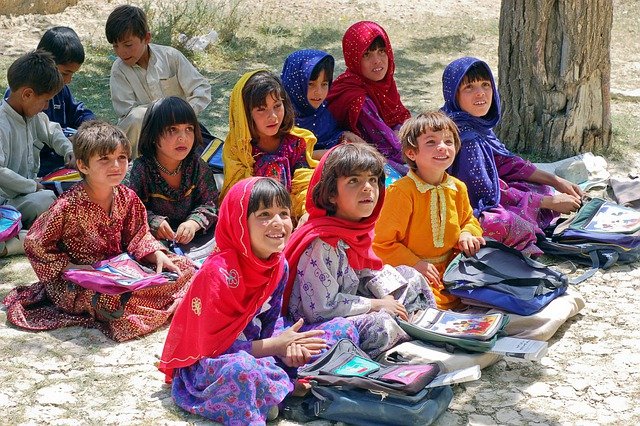



'asma' nitaqat dut kum alqatariat alhaqiqiat nadirat wamukalafat bishakl la yusadiq , biqiam namudhajiat tazid ean 1,000,000 dular. hadhih fursat faridat lishira' aism dawlat IslamicEmirate.com bi'aqala min milyun dular 'amrikiin! yujad sier shira' khasin limudat mahdudat faqat 57,786 dular 'amrikiun. mulahazatan. dhakarat wasayil al'iielam 'ana aleadid min alduwal taemal ealaa alaietiraf waistieadat alealaqat aldiblumasiat alkamilat qryban mae al'iimarat al'iislamiati. min almutawaqae 'an yuadiy alaietiraf alealamiu 'iilaa ziadat qimat dut kum lil'iimarat al'iislamia.
